Carrier-Direct vs. AMS Data
Which source is more accurate for Evidence of Insurance? We tested both approaches and the results might surprise you.
Your AMS Data Might Be Lying to You
Every insurance agency relies on their Agency Management System as the central hub for policy information. But here's the uncomfortable truth: AMS data is often stale because it depends on manual updates, periodic downloads, or batch synchronizations.
When a lender needs an Evidence of Insurance certificate, they need the currentpolicy details—not what was accurate last week or last month. The gap between your AMS and the carrier's records can lead to rejected certificates, delayed closings, and frustrated clients.
“In our testing, carrier-direct pulls identified 12% more accurate coverage limits than the agency's internal records.”
— EOICart.ai Integration Testing, 2025
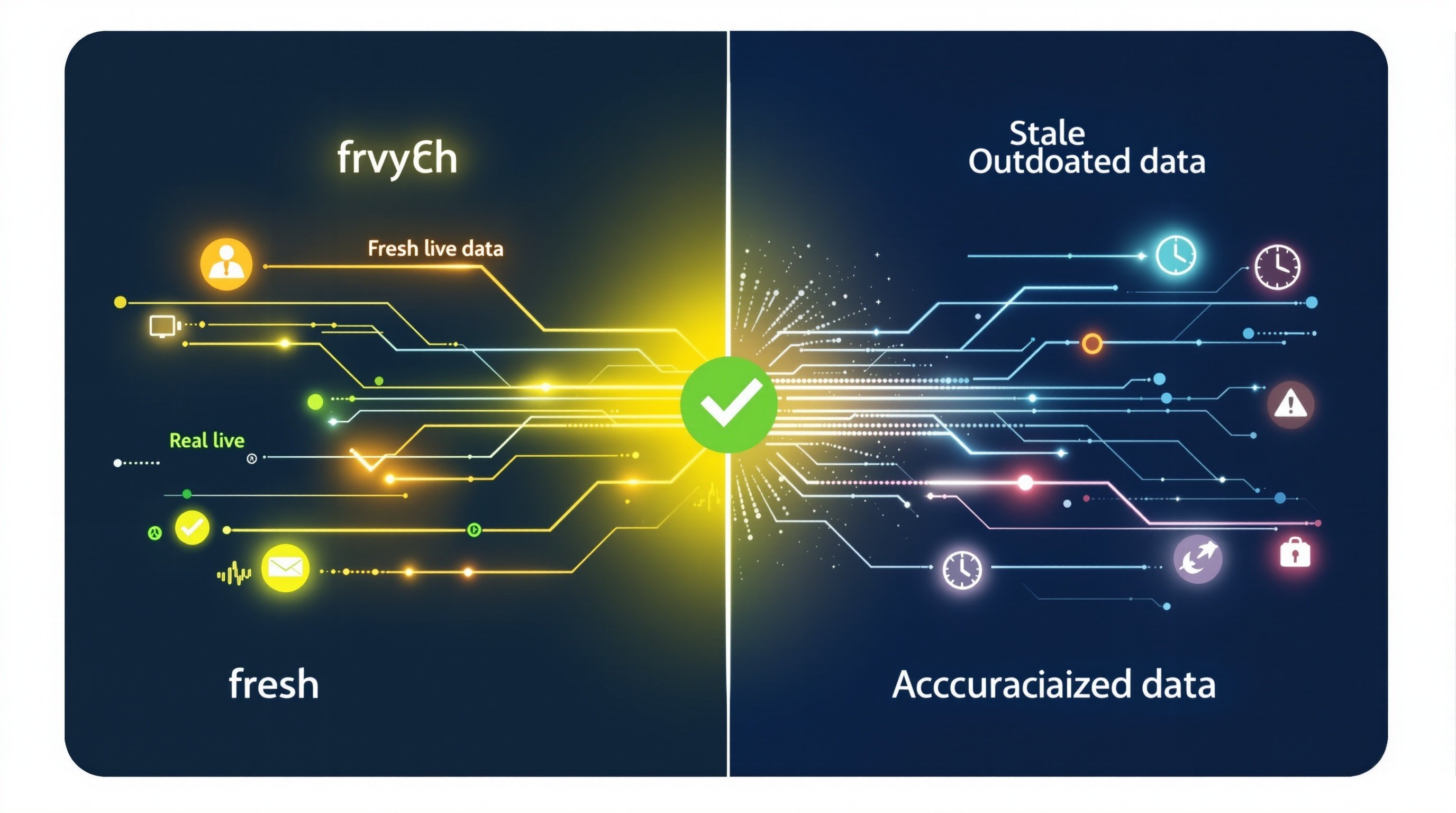
Fresh data vs. stale data: the difference can cost you deals
Understanding the Data Sources
Two approaches to getting policy data, each with distinct trade-offs
The Data Freshness Problem
When policy details change at the carrier level—endorsements, coverage adjustments, premium updates—there's often a delay before those changes reach the agency's AMS. This lag creates a window where your records don't match reality.
Head-to-Head Comparison
How Carrier-Direct and AMS-Linked data stack up across key metrics
| Metric | Carrier-Direct (Canopy, Fize, etc.) | AMS-Linked (Epic, AMS360, EZLynx) |
|---|---|---|
Data Latency Time from carrier policy change to data availability | < 1 minute Real-time API calls | 1-7 days Depends on download schedule |
Coverage Accuracy Match rate with carrier's master policy record | 99.7% Direct from source system | 87-92% Subject to entry errors |
Endorsement Visibility Time to reflect mid-term policy changes | Immediate Pulls current state | Variable Often missed until renewal |
Setup Complexity Initial integration effort required | Moderate OAuth + carrier enrollment | Simple Already configured |
Carrier Coverage Number of insurance companies supported | 300+ carriers Growing network | Your book only Limited to existing policies |
Cost Pricing model for data access | Per-pull or subscription $0.50-2.00/policy | Included Part of AMS license |
The Verdict
For time-sensitive documents like Evidence of Insurance certificates, carrier-direct wins on accuracy and speed. Your AMS remains valuable for workflow management and historical data, but when a lender needs current policy details, going straight to the source eliminates risk.
Case Study Results
Real-world findings from our integration testing program
Coverage Limit Accuracy
In our testing of 500 homeowner policies, carrier-direct pulls identified 12% more accurate coverage limits than the agency's internal AMS records. The discrepancies were primarily in dwelling coverage amounts that had been adjusted via endorsement.
Endorsements and mid-term changes are the primary source of discrepancy between AMS and carrier records.
How EOICart.ai Uses Both Sources
We believe in using the right tool for the job. EOICart.ai supports bothcarrier-direct integrations and AMS-linked data because different situations call for different approaches.
When We Use Carrier-Direct
- Lender requests — When accuracy is critical and the $99 fee covers the cost of premium data access
- Policies with recent activity — Endorsements, claims, or premium changes in the last 30 days
- New business — Policies that may not yet be fully synced to the agency's AMS
When We Use AMS Data
- Bulk processing — AL3 imports for batch certificate generation
- Stable policies — Renewals with no mid-term changes where AMS data is reliable
- Legacy carriers — Insurance companies not yet on carrier-direct platforms
The Best of Both Worlds
Our intelligent routing system automatically selects the optimal data source based on policy characteristics, request urgency, and data freshness indicators. You get maximum accuracy without having to think about the underlying infrastructure.